.svg)

Artificial intelligence (AI) is no longer an abstract concept; it is embedded in our daily lives and changing the way we live, work, shop, and make everyday decisions. While AI was once mostly consumer-focused, it is now becoming increasingly integrated into business operations. In the retail sector, some of the most transformative impacts of AI are emerging in supplier-retailer relationships, with improvements to demand forecasting, streamlined inventory management, and real-time communication.
Advantage recently surveyed UK retailers to understand the influence of AI to their operations and supplier relationships. Close to 80% of respondents expressed a positive or neutral outlook, highlighting use cases from forecasting and replenishment to personalization and reporting. While most are optimistic, a small number remain cautious, preferring to test and validate AI applications before scaling adoption.
Drawing on insights from this survey, this article explores how AI is changing the way retailers and suppliers work together and what it means for the future of retail partnerships.
1. Demand Forecasting: The Power of Predictive Analytics
Retailers and suppliers are increasingly turning to AI-powered predictive analytics to support more agile and accurate demand forecasting. By analyzing historical sales, local demand shifts, and evolving customer preferences, these tools allow for more responsive planning and foster stronger, data-driven collaboration.
UK retailers surveyed noted that AI is already embedded in many forecasting systems, with many expecting its influence to grow significantly over the next 12 months. While forecast accuracy still hinges on data quality, AI is helping reduce manual intervention. One respondent noted that their new AI-powered demand forecasting and ordering system is delivering strong results – significantly reducing the need for manual intervention and improving efficiency across the supply chain. Real-world applications are already in play, such as using weather data to predict seasonal surges, for example, planning for increased barbecue sales ahead of warm weekends.
AI is also enabling more granular forecasting, such as modelling demand at the SKU level by store and by day, supporting targeted promotions and improved shelf availability. Some retailers noted that AI could enhance long-range visibility for suppliers, improving alignment on production and delivery timelines.
While the technology is still evolving, most businesses agree that AI is helping shift their focus from manual forecasting to collaborative planning and more strategic decision-making.
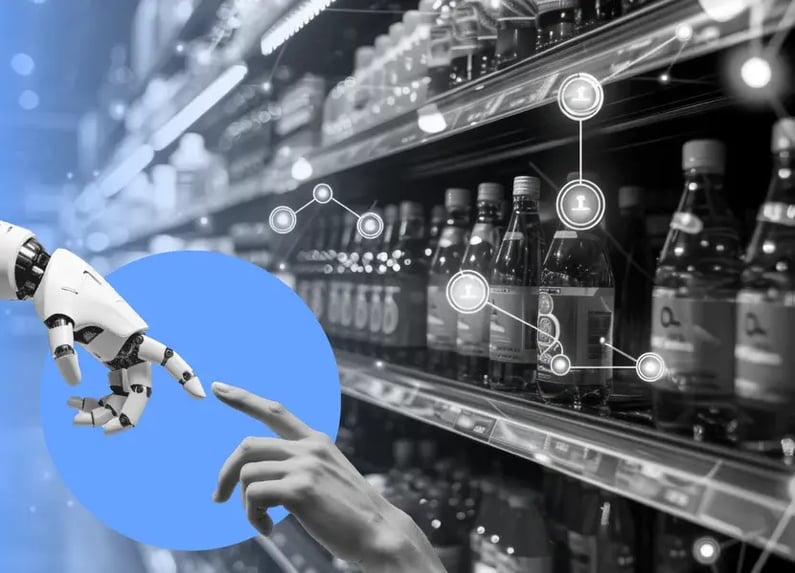
2. Automating Replenishment and Inventory Optimization
AI is bringing greater agility to supply chains, helping businesses shift from reacting to problems to preventing them. Automated systems can now identify and address issues in real tme, reducing stockouts, avoiding excess inventory, and ensuring smoother deliveries.
Acting like an experienced analyst, AI continuously processes supply chain data to identify early warning signs. It helps teams make timely adjustments, respond to changing demand, and keep inventory levels in check—supporting more reliable and efficient operations.
Many businesses are integrating tools like Microsoft Copilot and Google Workspace Duet into their daily workflows, and investing in training to ensure effective adoption. These efforts are already showing measurable results: a Forbes article notes that 80% of employees using AI tools report increased productivity—particularly in research, writing assistance, workflow automation, and data analysis.
Building on these gains, companies are now exploring more advanced applications, including proprietary platforms tailored to their specific operational needs. As the next wave of AI adoption unfolds, emerging use cases—such as demand scenario modelling, supply chain risk forecasting, and campaign planning—are quickly becoming the new frontier of AI-driven productivity in retail operations.
3. Real-Time Communication and Issue Resolution
“We don’t want to take the human engagement out of our supplier conversations.”
AI is redefining how retailers and suppliers collaborate—especially in fast-paced environments. By continuously processing real-time data from fulfilment systems, warehouses, and transportation networks, AI helps detect critical issues such as late deliveries, low stock levels, and irregular demand patterns. One retailer shared that AI is already integrated into their forecasting system and is expected to play an increasingly important role; in fact, it’s already starting to shape the in-store customer experience.
Retailers are now deploying these tools to bring operational issues to light as they happen, enabling faster intervention and greater transparency. One retailer noted the significant potential of automated defect resolution, highlighting how AI can proactively identify and address problems across the supply chain—ultimately improving speed and reducing costs.
Despite this progress, respondents stressed the continued importance of human-led communication. As one retailer noted, “We don’t want to take the human engagement out of our supplier conversations.” Many shared that while AI is useful for automating routine tasks, they still prefer maintaining face-to-face interactions for more complex and strategic discussions to maintain business relationships.
The consensus is clear: while AI enhances visibility and responsiveness, it delivers the greatest value when paired with strong, collaborative supplier relationships. Rather than replacing human interaction, AI provides a foundation for faster, more informed decision-making—helping partners stay aligned, avoid disruptions, and consistently deliver results.
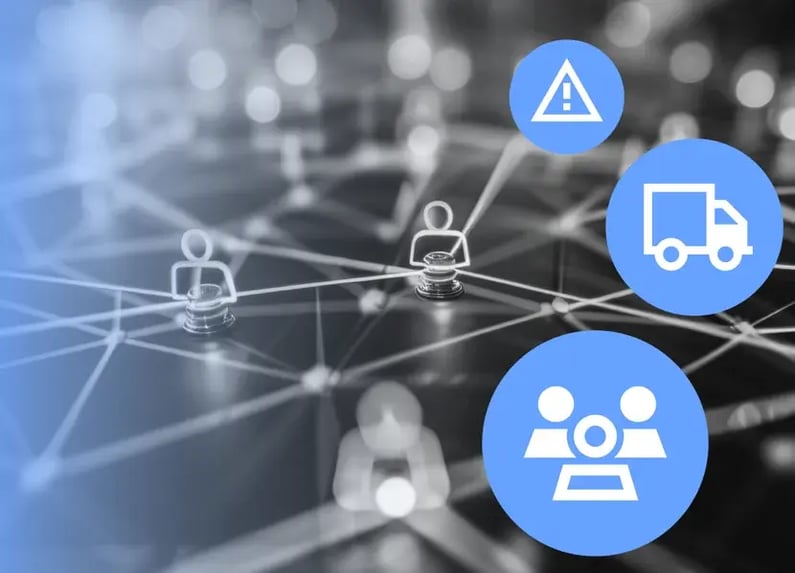
The Road Ahead: Partnering for AI-Driven Growth
As AI becomes more embedded in retail operations, its success hinges not just on technology, but on people. Forward-looking retailers are investing in training to help teams across forecasting, analytics, and supply chain work confidently alongside AI. The goal isn’t to replace human expertise, but to enhance it. Supplier and retailer teams that embrace AI as a tool to accelerate collaboration, speed, and strategic thinking will be best positioned to unlock long-term value.
AI is no longer a “nice to have”—it’s a strategic enabler reshaping how retailers and suppliers work together across forecasting, operations, and fulfilment. But realizing its full potential requires partnership. Trust, transparency, and shared learning are the foundations for success in the AI-powered retail ecosystem. By aligning on goals and co-investing in capabilities, retailers and suppliers can drive mutual growth—achieving greater responsiveness, sharper accuracy, and more personalized shopper experiences.
At Advantage, we are embracing AI and integrating it across our suite of engagement solutions to deliver clients greater value, faster, and with the opportunity for more intuitive action planning. Contact an Advantage Engagement Advisor now to discover what is possible.